
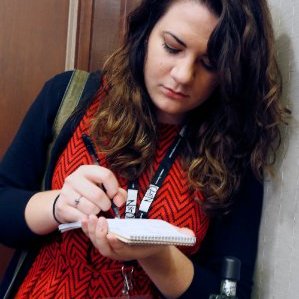

By Taylor Knopf
A for-profit psychiatric hospital in Raleigh — regularly sanctioned by regulators and visited by police due to fights, patient escapes and reports of alleged sexual assault — is expanding to serve more people.
Last year, Holly Hill Hospital announced a partnership with the Raleigh Police Department in which officers would take people in mental distress directly to the hospital’s campus in downtown Raleigh instead of first going to a hospital emergency department or other facility for evaluation.
Holly Hill announced on social media in June that it opened a new unit on its south campus near WakeMed Hospital off New Bern Avenue for adults with less severe mental health needs, such as those needing substance use detox or help with depression. The hospital is also in the process of launching a “Patriot Support Program” to treat veterans and active-duty military members, which includes a new 32-bed inpatient unit, according to the hospital’s Facebook page.
Holly Hill’s CEO Leigh Holston declined to be interviewed for this story and answered some of North Carolina Health News’ questions in an email that included few details about the hospital’s partnership with the police and the new military support program. The Raleigh Police Department did not provide details about its partnership with Holly Hill.
These new initiatives are underway despite serious shortcomings at Holly Hill that have been documented repeatedly over the past five years by federal and state regulators during a dozen on-site investigations into patient complaints. Inspectors have found repeated problems, including patient escapes, allegations of sexual and physical assault, missing treatment plans, medication errors, contraband on patients, documentation issues in patients’ medical charts, unsafe patient discharge practices, unsanitary living conditions and lack of language interpretation services.
READ PART ONE OF THIS TWO-PART STORY
Since 2020, regulators have put Holly Hill under immediate jeopardy three times. Immediate jeopardy is the most severe sanction a hospital can receive; it indicates that serious harm or death has, or is likely, to occur. Holly Hill was under immediate jeopardy as recently as January 2025 after a fight broke out among adolescent girls in which they overtook staff and the nurse’s station and got into the room where medications are stored.
North Carolina Department of Health and Human Services officials said in an emailed statement that immediate jeopardy sanctions used to be rare, but that now they are finding dangerous conditions at hospitals deserving of this highest penalty more often. State officials told NC Health News they are having conversations with federal regulators about additional measures they can take to keep patients safe at facilities with recurring violations.
In response to questions about the repeated sanctions at Holly Hill, the CEO wrote in an email: “Each survey provides opportunities for the facility to improve upon its services.”
The issues at Holly Hill mirror claims against other facilities across the country that are owned by the hospital’s parent company, Universal Health Services, which has faced multiple lawsuits in recent years. The company was the subject of a scathing report released in 2024 by the U.S. Senate Finance Committee titled Warehouses of Neglect. The report claimed that Universal Health Services, which operates 181 inpatient behavioral health facilities in the U.S. — including three in North Carolina — offered minimal treatment and poor conditions with too few staff, all in an attempt to maximize profits.
Universal Health Services released a statement in response to the Senate report, calling the committee’s findings “incomplete and misleading.”
Nonetheless, in North Carolina, state budget proposals being debated by legislators include expanding a program that would give more money to free-standing psychiatric hospitals, including Holly Hill, Brynn Marr Hospital in Jacksonville and Old Vineyard in Winston-Salem, all owned by Universal Health Services.
Despite expensive lawsuits and troublesome reports, Universal Health Services presses on — opening new facilities and boasting record profits year after year.
Direct path to Holly Hill
Last year, Holly Hill announced that the hospital would be partnering with the Raleigh Police Department so officers could bring people experiencing mental health crises directly to Holly Hill.

“The collaboration was birthed with a desire to circumvent unnecessary emergency department referrals for individuals experiencing behavioral health crises,” read the news release from Holly Hill. “By presenting directly to a behavioral health facility, individuals in crisis receive quicker access to appropriate care and reduce the overflow experienced in emergency rooms.”
Since the pandemic, more people in mental distress have been showing up at North Carolina’s emergency rooms, which puts strain on medical hospitals.
Holly Hill dedicated a hospital liaison to work directly with the police department, according to the release. When asked about the partnership, Holly Hill CEO Holston wrote in an email that this process can alleviate some of the strain on emergency departments and allow them to focus on patients’ medical needs.
Raleigh Police officers get called to Holly Hill Hospital hundreds of times per year to respond to everything from 911 call hang ups and trespassing, to suicide threats and drug overdoses. The department keeps a call log that shows the addresses officers go to, the dates and times, and the reasons for the calls.
The police records show officers responded to 262 calls for assault, 147 for sex offenses, 24 for rapes or to pick up a rape kit, and 17 for patient escapes between January 1, 2019, and May 6, 2025, at Holly Hill Hospital.
When asked about the many calls for help to police about Holly Hill’s CEO Holston said that mental health patients have rights, including “the right to make and receive phone calls.”
“[Raleigh Police] are quick to provide support to our patients whenever they are called for assistance,” she wrote. “All allegations are investigated as appropriate.”
NC Health News asked Wake County District Attorney Lorrin Freeman how many of these incidents led to criminal charges, and she wrote in an email that her office “did not find a pattern of cases being referred to our office for charging.”
Raleigh police committed to partnership
The issues inside Holly Hill have played out in the public eye a few times in recent years, particularly when patients have escaped the facility. Law enforcement officers get involved to track down escaped patients, instances that catch the attention of local TV news stations.

When asked about the police department’s partnership with Holly Hill by WRAL-TV shortly after it was announced in August last year, since-retired Raleigh Police Chief Estella Patterson told the station that if Holly Hill did not provide good care, her department was open to re-evaluating the collaboration. Patterson also told WRAL that the department’s mental health unit, called ACORNS, would be heavily involved in the partnership.
The ACORNS unit is a specialized team of officers and social workers that respond on a referral basis to calls from other officers and community members to assist people experiencing mental health issues, homelessness and substance use challenges. This spring, NC Health News interviewed the head of the ACORNS unit, Sgt. Madeline Horner, who said “most of that partnership is above my pay grade, so I don’t have any details to share.”
NC Health News followed up with the police department’s communications team asking if the repeated safety violations and number of times officers have responded to escapes, alleged assaults and sexual abuses at the hospital had affected the department’s assessment of the partnership.
“The Raleigh Police Department has maintained a long-standing partnership with Holly Hill, which predates Chief Patterson’s tenure as Chief of Police, and this collaboration will continue moving forward… We do not provide comments on any incidents that have occurred there. It would be most effective to obtain information directly from the source rather than through our department,” Lt. David Davis of the department’s public affairs office said in an email.
Davis did not respond to NC Health News’ follow-up questions.
Opening a new military unit
Holly Hill is also poised to expand inpatient services to military members, veterans and first responders.
The hospital has been promoting a new Patriot Support Program and recently opened a military program, according to the hospital’s website. The hospital’s CEO Holston wrote in an email that Holly Hill plans to open a Patriot Support Program in the future. The program includes a new 32-bed inpatient unit at Holly Hill’s adult hospital in Raleigh, according to the hospital’s Facebook account.
After declining NC Health News’ request for an interview, Holston answered select questions via email. But those answers lacked specifics about the Patriot Support Program.
“It is an honor to provide specialized support for the unique challenges that active duty and Veteran populations face,” Holston wrote. “Many of our Holly Hill staff members are Veterans or have family members who have served, and they are trained in best practice interventions for this population.”
Universal Health Services, the hospital’s parent company, has Patriot Support Programs at 34 of its behavioral health facilities throughout the United States. The company reported in its most recent annual report that it treated more than 17,800 active-duty military personnel, veterans and family members last year. According to a map on the company’s website, the program opening at Holly Hill would be its first in North Carolina.
UHS’ Patriot Support Program made national news in 2022 when former football star Herschel Walker claimed to have founded the program during his failed campaign for a U.S. Senate seat in Georgia. The Associated Press fact-checked Walker’s claim and reported that Walker was actually a paid spokesperson for the UHS program.
In the same story, the Associated Press reported on a “sprawling civil case brought against Universal Health Services by the U.S. Department of Justice and nearly two dozen states” in which UHS was accused of aggressively pushing military members and veterans into the Patriot Support Program in an effort to boost the company’s profits and defrauding the federal government in the process.
In 2020, the U.S. Department of Justice announced that UHS agreed to pay $117 million to resolve those allegations against several of its hospitals for knowingly filing false claims for payment for behavioral health services that weren’t necessary or appropriately provided to people covered by federally funded insurance programs, including Medicare, Medicaid, Tricare and Department of Veterans Affairs.
UHS entered the settlement agreement without admitting guilt.
“During the course of this matter, UHS denied the allegations and was able to present significant evidence to effectively rebut the claims made by the government. Many of the allegations involved facilities that UHS acquired from other operators and the claims pre-date our acquisition of those facilities,” wrote UHS Public Relations Director Jane Crawford in an emailed statement to NC Health News.
“Third-party healthcare industry analysts confirmed the dubious nature of the claims, for example concluding that UHS average length of stay is similar and, in many cases, lower than that of our industry peers,” she wrote.
In that case, the government claimed UHS hired military liaisons to build relationships on bases and facilitate military members’ use of the Patriot Support Program. The AP also reported that Tricare — the insurance coverage for military members and their families — was particularly valuable to UHS, as the plan does not limit the length of psychiatric hospital stays so long as specific criteria are met.
Holly Hill has hired a military liaison, a veteran, who has been making his way to North Carolina’s military bases and county veterans associations, posting photos on the hospital’s social media page.
UHS also owns Brynn Marr Hospital, an inpatient psychiatric facility near the Marine base Camp Lejeune in Jacksonville. In an investigation by NC Health News, former employees alleged that Brynn Marr also favored patients with Tricare, the military sponsored insurance. The better a patient’s insurance, the longer they would end up staying, alleged one former employee.
Several former Brynn Marr employees said they left that hospital in part due to what they described as unethical practices, including cherry picking patients with better insurance and using questionable tactics to keep them there longer. One of those practices, they alleged to NC Health News, included documenting more severe diagnoses for patients to make them appear sicker than they were so that the hospital could bill more to insurers.
Brynn Marr’s CEO at the time denied these allegations, and Crawford called them “unsubstantiated and inaccurate” in a statement to NC Health News.
Record profits, expensive lawsuits
Universal Health Services leaders say their goal is to reach more than $17 billion in revenues in 2025, and they’re banking on their behavioral health services to get them there.
UHS — one of the largest for-profit health systems in the country — operates 72 medical facilities and 195 behavioral health facilities in the U.S., and 149 behavioral health facilities in the United Kingdom. In 2024, the company reported $15.8 billion in revenues, nearly an 11 percent increase in net revenue over the previous year, according to UHS’ annual report.
Last year, UHS derived its largest revenue increase, an additional 10.7 percent, from its behavioral health services, which saw approximately 730,000 patients in the United States. UHS added 164 inpatient beds at new and existing behavioral health facilities in the U.S. last year and is building three more facilities and expanding multiple others, according to the company’s annual report.
UHS reports and officials highlight behavioral health as a key part of boosting its future profits, with an up to 3 percent patient day revenue increase goal set for this year, according to UHS’ first quarter earnings call with investors. By July, UHS leaders told investors during their second quarter call they’ve seen a lower volume of inpatient behavioral health patients than expected and their previously stated long-term goal of increasing the number of inpatient admissions in 2025 has been “elusive.”
“What we’re seeing in behavioral [health] is payers trying to shift more patients from the inpatient setting to the outpatient setting,” said the company’s CFO Steve Filton on the July earnings call with investors. “We have always had an outpatient presence, but I don’t know that our focus has been as intense as it is currently in part to take advantage of that shift. […] We’ve been not necessarily capturing what I would describe as our fair share of that outpatient business.”
He said UHS plans to open 10 to 15 new outpatient behavioral health facilities each year moving forward.


Filton also spent a significant amount of time fielding questions from investors about the impact the One Big Beautiful Bill will have on the company’s Medicaid payments.The potential stakes for UHS are high now that Congress passed a budget that will cut about $1 trillion from Medicaid over the coming decade, eroding health insurance for many who purchase coverage on the individual marketplace and even have ripple effects on Medicare financing. The Wall Street Journal reported that 68 percent of UHS’ pretax income in 2024 came from supplemental Medicaid payments.
Filton told investors that in a worst case scenario if the law is not amended, UHS could take a $360 million hit from Medicaid cuts starting in 2028 when the policies are set to go into effect. He said the Medicaid work requirements could adversely impact the company’s Medicaid revenues.
The company is also fighting some expensive lawsuits.
In a case against a UHS-owned children’s hospital in Virginia, multiple former patients made claims of sexual and physical abuse, as well as allegations of medical record falsification. A jury ruled in September to award three plaintiffs a combined $300 million in damages. In UHS’ annual report, the company said it plans to challenge that verdict and that it expects this litigation to be drawn out for years because 40 more plaintiffs are making similar allegations.
In Illinois, a UHS-affiliated facility was ordered in 2024 to pay $535 million in a negligence lawsuit following allegations of the sexual assault of a 13-year-old patient by another patient. The company’s lawyer called the verdict excessive, and the hospital challenged it. In October 2024, a judge reduced the verdict to $120 million, but UHS still plans to appeal the remaining judgement.
In both cases, UHS Public Relations Director Crawford told NC Health News that the hospitals were “shocked by the verdicts in those cases and vehemently disagree with the juries’ verdicts.” Both hospitals are in good standing with their local regulatory authorities and continue to earn favorable feedback from patient satisfaction surveys, completed at time of discharge, Crawford wrote in an email.
In a statement deep in the company’s annual report, there’s a notation that shows company officials worry that all of these lawsuits could use up much of their commercial insurance coverage deductibles.
“We are uncertain as to the ultimate financial exposure related to” the two largest cases, the company stated in its annual financial report. “And we can make no assurances regarding timing or substance of their outcome, or the amount of damages that may be ultimately held recoverable after post-judgment proceedings and appeals.”
Potential gains in North Carolina
In North Carolina, UHS-owned hospitals could get a boost if the state budget plan, currently being debated by lawmakers, becomes law. Both the House and Senate proposed extending a Medicaid-related reimbursement program to free-standing psychiatric hospitals. This would benefit UHS-owned Holly Hill, Brynn Marr and Old Vineyard.
The plan includes a recurring $40 million starting in fiscal year 2026 so that free-standing psychiatric hospitals get enhanced reimbursements for treatment of Medicaid managed care enrollees. Sen. Jim Burgin (R-Harnett) told NC Health News the discussion that led to this proposal was entirely about how to help three state-owned psychiatric facilities, which have struggled to recruit and maintain enough staff to open beds that are currently unstaffed.
“The big push was to try to take advantage of the money for mental health, so that we could open the 300 beds that are closed in the three different [state] facilities,” he said.
Burgin said there was no discussion about how for-profit psychiatric facilities would also benefit from the expanded state reimbursements. The senator expressed great concern over the repeated violations at some inpatient facilities, including Holly Hill, saying he’s been part of state-level meetings about how to address some of the issues.
When asked about this money going to for-profit psychiatric facilities with poor track records, physician and state Rep. Grant Campbell (R-Norwood) told NC Health News that lawmakers “can’t make blanket policy on individual institutions.”
“Inpatient psychiatric has got overwhelmingly disproportionate Medicaid population that makes it very difficult to keep their doors open,” he said. “We’ll certainly address any concerns on an individual basis, but we’re not going to make state policy on individual examples of problems.”
As North Carolina lawmakers propose increased payments to psychiatric hospitals, state health officials say they are working on ways to hold facilities with repeat offenses — such as the ones Holly Hill has racked up — accountable.
The human cost
Meanwhile, many former patients say they are haunted by their time inside Holly Hill and other UHS-owned hospitals. Some have told NC Health News that they struggle with increased symptoms of anxiety and depression after their hospitalizations and hesitate to reach out for mental health support for fear they will end up locked inside a psychiatric hospital again.
“I was broken and terrified and just not okay, and I’m still traumatized by that,” said Kate, a 37-year-old Charlotte resident, about her week spent inside Holly Hill. “It has prevented me from seeking emergency mental health services since.”
Kate, who is identified by first name only to protect her privacy, tried to end her life in the spring of 2022. She was involuntarily committed and taken by a sheriff’s deputy to Holly Hill, where she waited for more than seven hours in a small overcrowded room to be admitted to the hospital. She told NC Health News that other patients were lying on the floor around her because there weren’t enough chairs. The small bathroom attached to the admissions room was covered in fluids, she alleged, recording her impressions in a black and white composition notebook she received after being admitted to Holly Hill.
In her journal, Kate alleged that on her first day a nurse gave her two of the same type of medication she had used in her suicide attempt, before she ever saw a doctor.
Kate also alleged that she was only allowed outside for one hour during her eight-day hospital stay and that she felt lethargic due to the lack of activity and fresh air. She said she spent most of her days at Holly Hill doing word puzzles and watching television. The group therapy sessions consisted of a mental health technician asking one question and documenting it in patients’ charts, she wrote in her journal.
Patients would get into fights, and she told NC Health News that staff appeared to be unbothered, doing nothing to intervene.
“They got into one of the nastiest physical fights I’ve ever seen between two women. This was like a street fight, like people who are used to fighting. It was brutal and horrifying to watch,” she said. “No one moved from where they were. No one said anything.”
On her last day, Kate told NC Health News that she was punched in the face by a large male patient because she changed the television station. She said she told the psychiatrist what happened and demanded to go home. The doctor refused, saying she needed to stay, Kate recalled.
When she threatened to call the police and report the assault, Kate alleged that the psychiatrist quickly changed his mind and said she could go home that day.
As she waited the three hours for her spouse to drive from Charlotte to pick her up, Kate said the man who had punched her followed her around the hospital, staring at her through the cracked door of her bedroom and shoulder-checking her in the hallway.
Kate says she feels distress when she sees the news reports of patient escapes and reads the experiences of patients at Holly Hill shared on online chat boards with hundreds of comments calling out the hospital for its treatment of patients.
“When I got out, part of the trauma was knowing that all these people that deserved help and care were still there,” she said. “And then thinking about all the people in the past who have suffered from that as well, and that they were going to keep taking more people in.”
Reporter’s notebook: How I reported this story
After I reported a series of stories about the problems at Brynn Marr Hospital, a psychiatric hospital in Jacksonville, several former patients and employees of Holly Hill Hospital reached out to say they experienced similar issues in Raleigh. They urged me to look into reports from Holly Hill as well.
Both hospitals are owned by Universal Health Services, which has been the subject of investigations by a U.S. Senate committee, the U.S. Department of Justice and national news organizations. They all found a pattern of deficiencies across UHS-owned facilities.
Then, last year Holly Hill announced that it was partnering with the Raleigh Police Department to bring patients directly to the facility. I made a records request to the Raleigh Police Department for its call log of visits to the Holly Hill Hospital campus, which includes the times, dates and reason for which officers responded to a call there. I received several spreadsheets from the Raleigh Police Department with thousands of calls to the multiple addresses owned by Holly Hill. I also requested a copy of the 911 call recording to Raleigh Police Department from the night of the violent patient uprising in December 2024, but the department said the recording was no longer available.
I also tried to talk with the Raleigh Police Department about its partnership with the hospital. I spoke with the head of the police department’s mental health unit who said she didn’t know anything about the partnership. When I pressed the police department’s communications team for more information, they sent an emailed statement that did not answer my questions. The department never responded to emailed follow-up questions.
I made a records request to the N.C. Department of Health and Human Services for all the reports generated from regulatory visits at Holly Hill over the past five years. I received more than 20 document files from the state Department of Health and Human Services totaling more than 700 pages, which were highly redacted. The federal Centers for Medicare and Medicaid Services also releases reports of deficiencies cited at facilities, including psychiatric hospitals. These deficiency reports are released periodically by CMS in large data drops, which the Association of Health Care Journalists has been downloading and then uploading to its site and organizing the reports by state in a searchable way. CMS acknowledges that AHCJ makes these reports more accessible to the public. The federal report was anonymized but not redacted and provided more details, particularly on the violent uprising that happened at Holly Hill in December 2024.
To report this story, I talked to state health officials, state lawmakers, law enforcement officers, a former CMS regulator, a district attorney and former patients and employees of Holly Hill Hospital. I requested an interview with the CEO of Holly Hill, but she declined and only agreed to answer emailed questions. I sent multiple rounds of questions by email to the hospital CEO and to the leadership of Universal Health Services to give the hospital leadership an opportunity to respond to allegations. The CEO and a spokesperson for UHS responded each time, answering many but not all of my questions.
KEEP UP WITH THE LATEST



Thank you so, so much for shining a bright light on this REALITY (not story) in our community. Please keep up the good work! The people of North Carolina deserve so much better than what Holly Hill Hospital is giving them. I am a former Holly Hill employee (15+ years). All that you are reporting is very consistent with everything I experienced and observed while working there. Sadly, these problems aren’t new at all. I’ve seen probably 5 CEO’s over the time I was there and they would all give the same rote responses you’re getting from the current CEO. Universal Health Services is responsible for this. No matter what the state regulations for staffing are, one only has to have eyes and a quick visit to Holly Hill to see that there is a need for more staff – and well-trained staff. What about EXCEEDING the regulatory standards and PROVIDE EXCELLENT CARE PERIOD??? That’s what I want to know. Holly Hill has a long history of treating mental illness in North Carolina. Holly Hill AND North Carolina deserve better.